All blog posts
Published on
06.02.2026
Improve internal communication: These 15 measures really reach employees

Lisa Kubatzki
Senior Content Marketing Manager @ keelearning
description

Internal communication determines whether employees are informed, engaged, and capable of taking action – or whether information fizzles out in the daily work routine.
Especially in hybrid, decentralized, and operational teams, classic communication channels quickly reach their limits.
In this article, we show 15 concrete digital and analog measures that companies can use to specifically improve their internal communication – practical, effective, and focused on truly reaching employees.
If you want to see firsthand how you can improve your corporate communication while also training your employees, book a demo with keelearning now and get advice.
The most important points in brief:
- Poor internal communication leads to loss of productivity, frustration, and higher turnover
- Especially in frontline and operational industries, clear, accessible communication channels are crucial
- Digital tools like company chats, learning platforms, and knowledge databases enable fast, scalable communication
- Analog measures like leadership communication, workshops, and 1:1 meetings remain indispensable for trust and culture
- Successful internal communication is created through the interaction of digital instruments, analog formats, and clear processes
- Employee communities strengthen the sense of togetherness, knowledge exchange, and sustainable commitment
Why so many companies fail at internal communication
Communication is a topic in almost every situation where people interact with each other. In a corporate context, where daily work, satisfaction, and success (and thus also revenue) depend on well-functioning communication between employees and between management and staff, it is even more important.
But precisely where it would be essential to build good communication systems and collaboration flows, more than a third of companies in Germany fail.
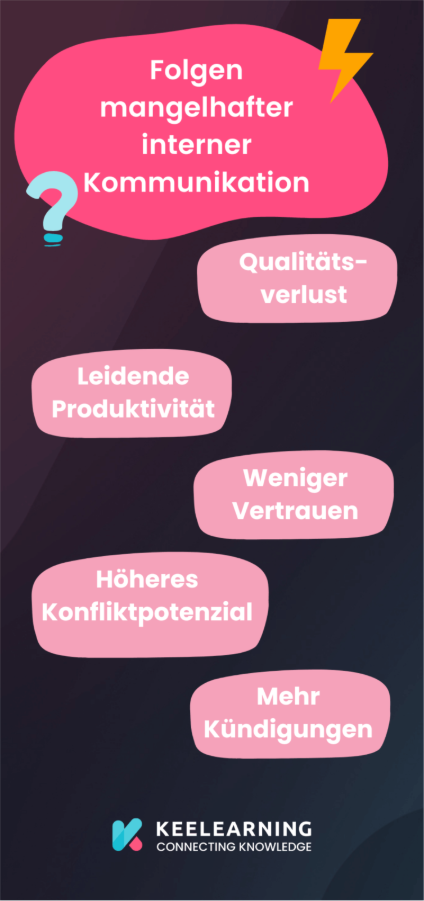
The consequences of poor internal communication are devastating.
- Productivity suffers. Questions are not clarified early on, ambiguities and misunderstandings occur, and efficiency falls by the wayside.
- Especially in frontline industries such as production, healthcare, and food, unclear, inconsistent communication often means loss of quality
- Employees do not feel they belong and there is more potential for conflict due to unresolved problems and questions, both between employees and between the management level and staff. This also reduces trust in the company.
- Poor internal communication is a reason for quitting for approx. 70% of employees, according to a study by Harbinger Consulting.
Digital instruments for improving internal communication
Improving internal communication in the company is not rocket science. Thanks to digital tools, measures to improve corporate communication can be implemented very easily – especially effectively for distributed or hybrid teams.
1. Company chat or messenger

Suitable for:
• Fast, informal communication
• Queries in the daily work routine
• Exchange between departments
Added value for internal communication:
• Reduces email flood
• Promotes transparency & dialogue
• Ideal for micro-learning & knowledge exchange
- Little training required due to simple messenger design
👉 It is particularly powerful when chats are linked with learning or knowledge content.
Example tools: Slack, Microsoft Teams, but also integrated chats in employee apps like keelearning
2. Intranet / Social Intranet
Suitable for:
• Central information platform
• Company news, guidelines, knowledge
- Connecting distributed employees
Added value:
• Acts as a “Single Source of Truth”
• Avoids information silos
• Strengthens corporate identity
Example tools: Haiilo, Staffbase, Beekeeper
3. Learning & Enablement Platforms
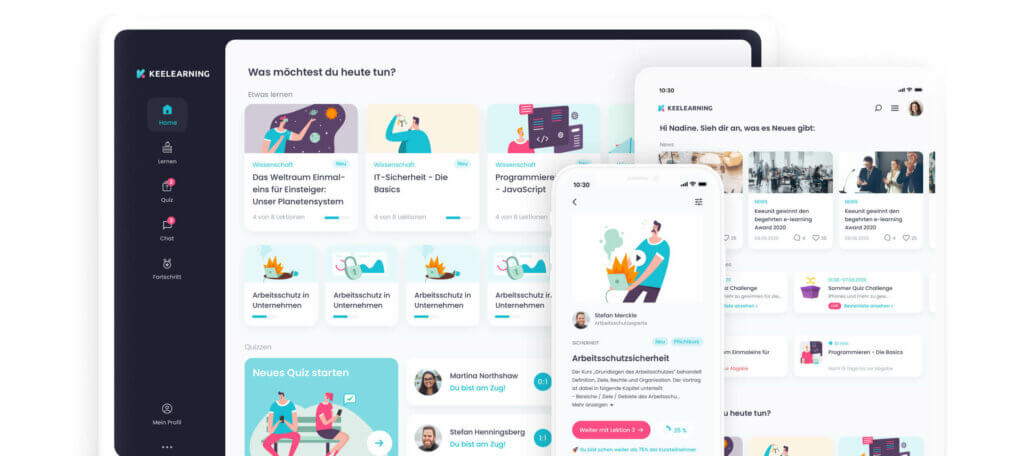
(e.g., LMS, LXP, learning chats)
Suitable for:
• Structured knowledge transfer
• Communication regarding training, processes, updates
Added value:
• Connects communication with learning
- Company knowledge and training content in one central location
• Increases understanding & implementation
• Particularly effective for change & mandatory communication
Example tools: keelearning, 360learning
4. Video communication & recordings

Suitable for:
• Leadership communication
• Updates, explanations, personal messages
Added value:
• More personal than text
• Can be consumed asynchronously
• High attention & understanding
Example tools: Loom, Teams, Zoom
5. Digital survey & feedback tools
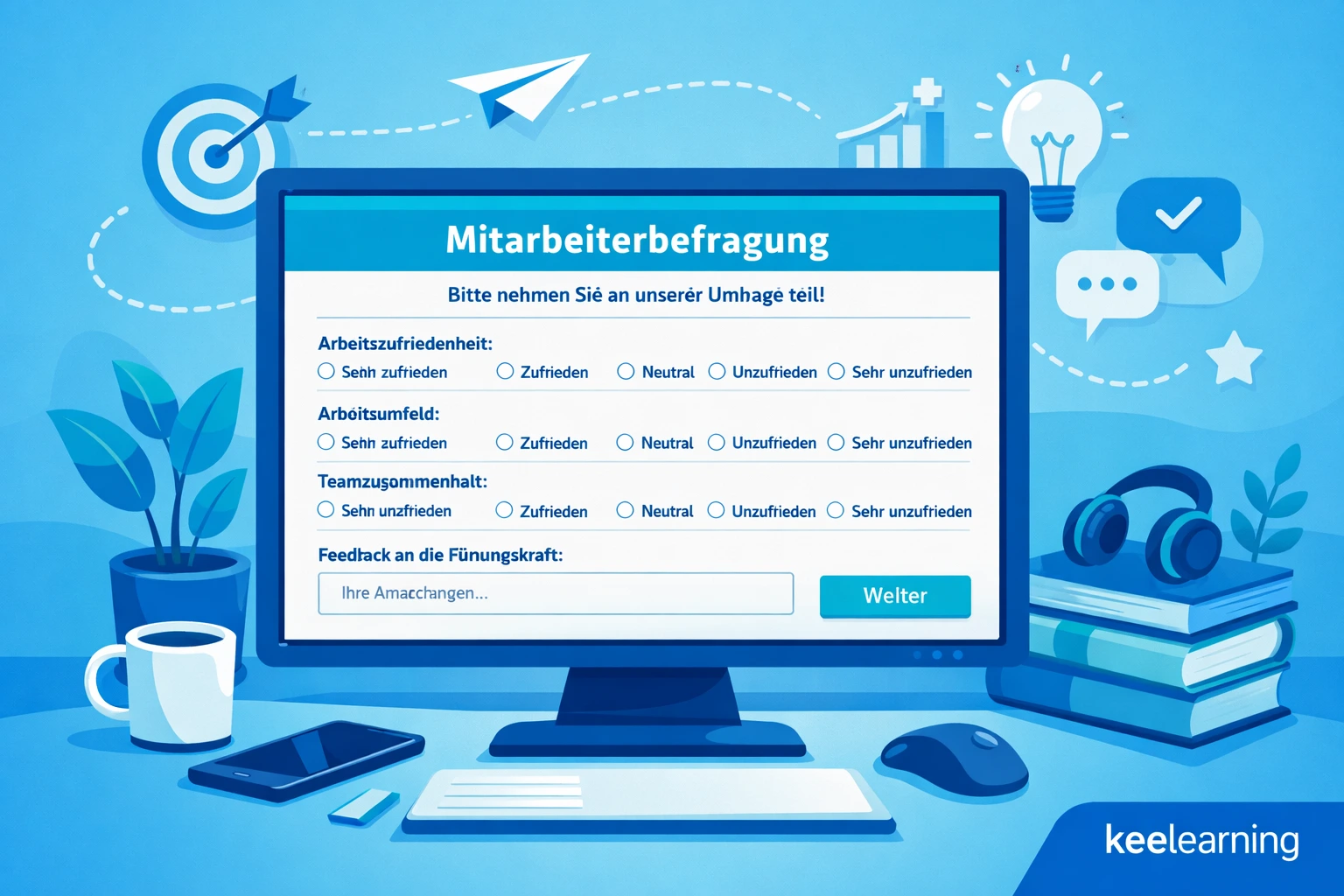
Suitable for:
• Gauging mood/sentiment
• Feedback on measures & communication
Added value:
• Makes communication two-way
• Increases participation & trust
• Provides data-based decision-making foundations
Example tools: Culture Amp, Officevibe, MS Forms
6. Project & task management tools
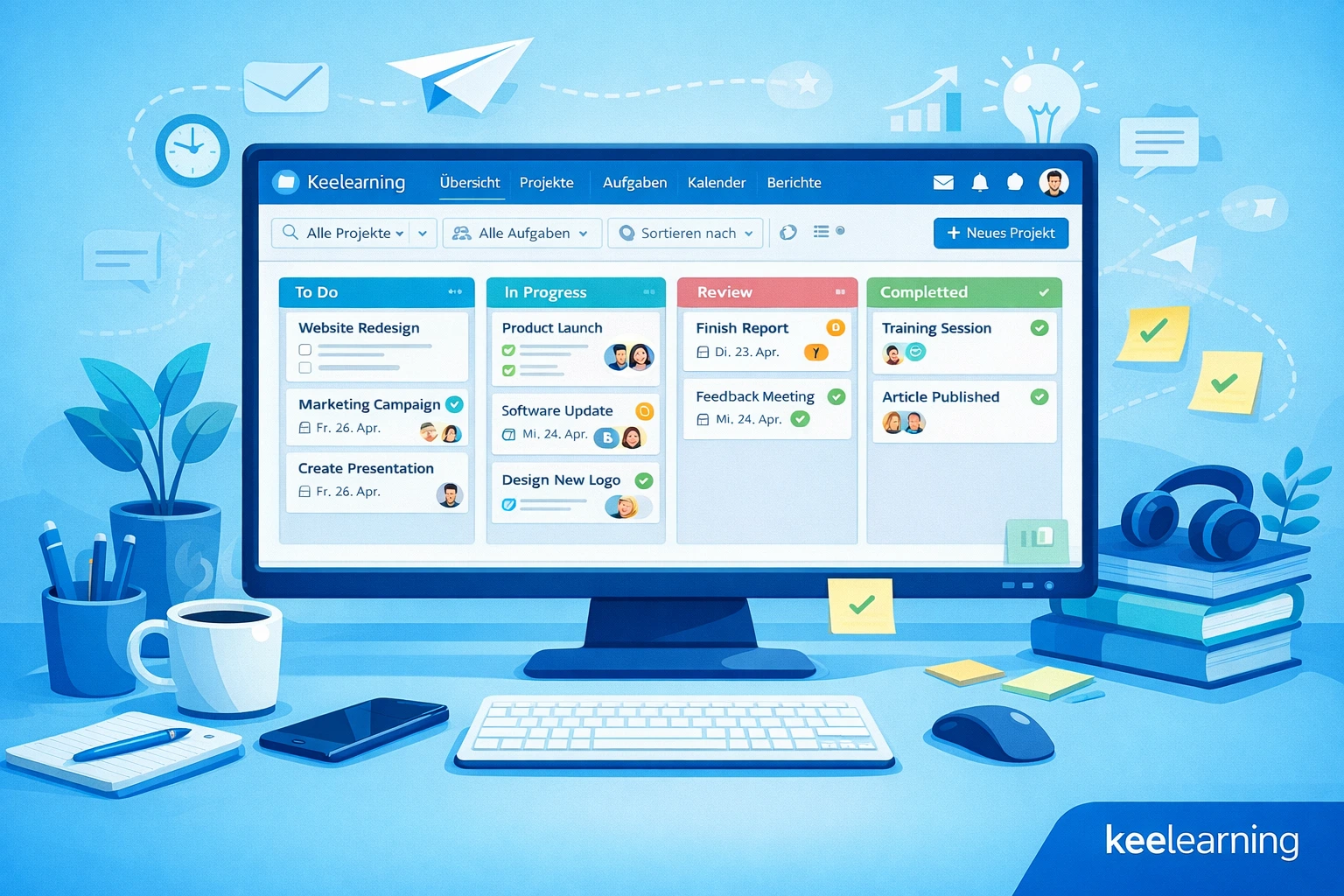
Suitable for:
• Transparent alignment
• Clear responsibilities
Added value:
• Fewer queries
• Clear communication about goals & progress
• Supports cross-departmental collaboration
Example tools: Asana, Trello, Jira
7. Employee Community
Suitable for:
- Networking of global, remote, and operational teams
- Motivation and corporate feeling through communication
Added value:
- Strengthen sense of togetherness
- Learning/corporate trust through interaction and communication with others
- Mobile and accessible to everyone
- Social learning effect when questions are asked and knowledge content is shared
Example tools: keelearning (SOON!)
8. Digital knowledge database
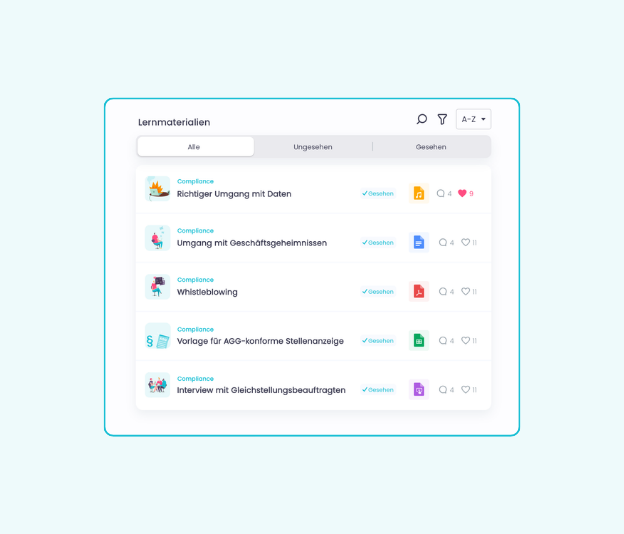
Suitable for:
- Centralization of company and employee knowledge
- Companies with high turnover
- Training new employees
Added value:
- Company wiki/knowledge database as “Source of Truth”
- Can be retrieved asynchronously
Example tools: keelearning Media Library and askkeelearning, 360learning
9. Introduce company newsletter
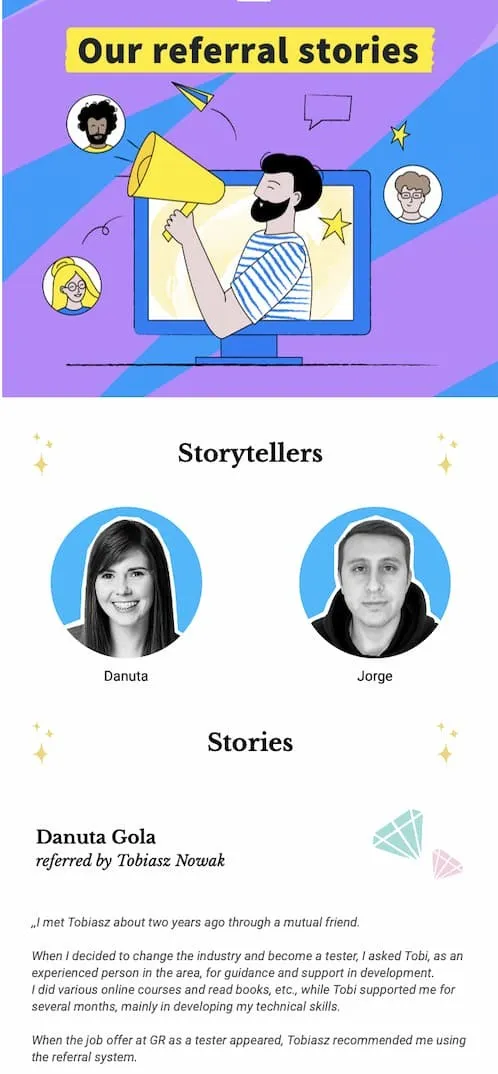
Suitable for?
- For large companies
- Companies with distributed employees
Added value:
- Employer branding
- Strengthen trust between employees and management
- Create transparency within the company
Example tools: GetResponse
Analog measures and instruments for improving internal communication
Despite digitalization, analog formats remain extremely effective, especially for relationships, culture, and trust in the company.
1. Regular team meetings (digital or in-person)
Suitable for:
• Clear alignment
• Space for questions & discussion
Added value:
• Direct exchange
- Regular contact between employees and team leads
• Promotes understanding & alignment
• Particularly important during changes
2. Personal leadership communication
Suitable for:
• Strategy & change communication
• Putting decisions into context
Added value:
• Builds trust
• Provides orientation
• Has a stronger impact than any email
3. Workshops & dialogue formats
(e.g., retrospectives)
Suitable for:
• Working out solutions together
• Feedback & participation
Added value:
• High identification
• Active communication instead of a one-way street
• Promotes acceptance of changes
4. Bulletin boards / Info boards
Suitable for:
• Short updates
• Visibility for important topics
Added value:
• Low entry barrier
• Particularly effective in operational areas
• Sensibly complements digital channels
5. Employee reviews & 1:1s
Suitable for:
• Individual communication
• Keeping an eye on and promoting feedback & development
Added value:
• High relevance for motivation & retention
• Promotes open communication
• Important early warning system
6. Company events
(e.g., all-hands meetings, offsites)
Suitable for:
• Major messages
• Culture & community
Added value:
• Strengthens sense of togetherness
• Emotional anchoring of messages
• High attention
- Bringing remote employees together
7. Introduce open feedback and appreciation culture
Suitable for:
- Space for improvement suggestions
- Positive reinforcement of employees
- Being able to recognize and resolve problems early
- Promote transparency
Added value:
- Employees feel seen and taken seriously
- Avoiding resignations due to uncommunicated problems
Measures for improving internal communication: Step-by-step plan
- Research which possibilities exist for improving internal communication (if you have stumbled upon this article, you are already at the right address).
- Gather feedback, needs, and ideas from employees. Get employees on board early, let yourself be inspired by them, and collect perspectives: What problems exist? How can we solve them?
- Select suitable tools. Not all tools listed in this article have to fit your company. For example, a company in the food industry does not necessarily need a classic project management tool, but can benefit from a knowledge management platform. If you don't know where to start, here are a few suggested first concrete measures.
- Launch employee chat or social intranet.
- Build and digitize knowledge management.
- If appropriate: Introduce project management.
- Test the selected tools. Involve employees in the process. Ultimately, it must also be an effective internal communication for them.
- Schooling & Training. Ensure that the selected tools are actually used by conducting company-wide onboarding. This can be done live or asynchronously.
- Motivation for use. Just because you have chosen a suitable instrument to improve internal communication, that does not mean it will be used. Create incentives to use the new tools, for example with company challenges, rewards, or action days.
- Evaluate whether the new communication path works for your company. Look at usage statistics of digital tools, gather feedback from employees, and conduct employee satisfaction surveys.
How to build an employee community and thereby improve your internal communication
An innovative way to improve internal communication is to build a real employee community. This can (and should, depending on the company) happen both online and offline.
An employee community has many advantages:
- You develop a brand identity that becomes visible through the employees
- You strengthen the sense of togetherness of your teams
- You give employees the opportunity to exchange ideas and get to know each other digitally
- If the online community is integrated with your LMS or your knowledge database, you promote social learning that happens in everyday life
And how do you build an employee community correctly? The following steps will help you:
- Define clear company values and communicate them internally and externally.
- Good hiring. Your team works when it fits well together. Therefore, you should follow the formal recruiting process with a cultural fit interview.
- Strengthen sense of togetherness through joint events, company merchandise, and regular all-hands events.
- Use online tools. Imagine a social media platform that is used exclusively by employees of your company. Employees and managers can use a feed to announce news, ask questions, and share successes – across branches or locations and mobile. Such employee community platforms or employee apps are available in abundance today. You just have to decide on the right one for your company.
- Push interaction. Here too: The foundation of an employee community can be as good as it gets, if employees and managers do not interact with it. Use an online tool: Initiate conversations, comment, share content, and call for interaction. Both offline and online: Think of company challenges, joint actions, or sub-communities that exchange ideas regularly or even meet live (e.g., book clubs).
Why good corporate communication is a guarantee for success and satisfaction
Good internal communication is not a "nice-to-have", but a decisive success factor. Companies that reach their employees regularly, understandably, and in a dialogue-oriented manner benefit in multiple ways: higher productivity, better collaboration, more trust, and long-term employee retention.
The decisive factor is not the number of tools used, but their targeted use and integration into the daily work routine. Communication works best when it takes place where employees are working anyway – understandable, relevant, and low-threshold.
👉 With keelearning, exactly that succeeds: Chat, learning, and knowledge functions in one central place combine communication with learning and interaction so that employees remain informed, engaged, and capable of taking action.
Book a demo now and experience keelearning directly
Table of Contents
Ready for training that works?
Get to know keelearning in a personal demo – no obligation and tailored to your needs.
Share
Lorem ipsum dolor sit amet, consectetur adipiscing elit. Suspendisse varius enim in eros elementum tristique. Duis cursus, mi quis viverra ornare, eros dolor interdum nulla, ut commodo diam libero vitae erat. Aenean faucibus nibh et justo cursus id rutrum lorem imperdiet. Nunc ut sem vitae risus tristique posuere.





The learning platform for businesses looking to make their training simple, mobile, and accessible to all – with no IT overhead.