Alle Blog Artikel
Erschienen am
23.06.2026
Digitales Wissensmanagement: Wissen zentral sichern und nutzbar machen

Norma Demuro
E-Learning Expert, CEO @ keelearning
description
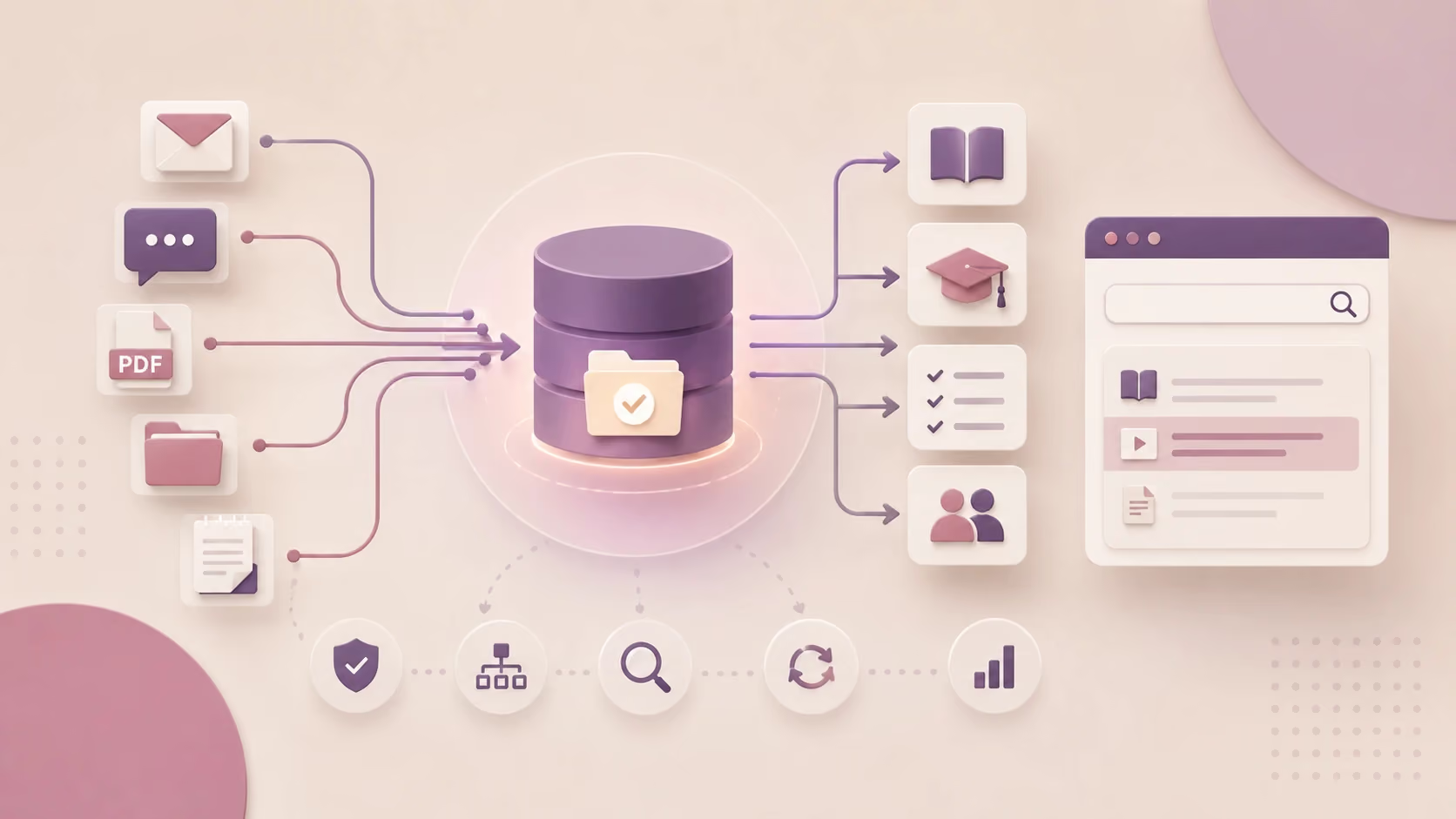
Digitales Wissensmanagement: Wissen zentral sichern und nutzbar machen
Wissen ist verfügbar, aber leider oft nicht dort, wo es gerade gebraucht wird. Es steckt in PDFs, E-Mails, Teams-Chats, Laufwerken, losen Notizen oder in den Köpfen erfahrener Teammitglieder. Für den Alltag bedeutet das: Rückfragen wiederholen sich, Prozesse werden unterschiedlich ausgeführt und wertvolle Erfahrung geht verloren, sobald Personen das Unternehmen verlassen.
Digitales Wissensmanagement löst dieses Problem. Denn es macht Unternehmenswissen zentral auffindbar, strukturiert nutzbar und für unterschiedliche Zielgruppen zugänglich. Besonders für L&D-Verantwortliche, HR-Teams und Führungskräfte bedeutet das: Wissen wird nicht nur gesammelt, sondern aktiv in Onboarding, Schulungen, Prozesssicherheit und Qualität übersetzt.
TL;DR: Digitales Wissensmanagement auf einen Blick
- Digitales Wissensmanagement bündelt Unternehmenswissen zentral und macht es jederzeit zugänglich.
- Es reduziert Rückfragen, Wissensverlust und uneinheitliche Prozesse.
- Besonders relevant ist es für Onboarding, Produktschulungen, Compliance, Prozesswissen und operative Teams.
- Erfolgreiche Umsetzung beginnt nicht mit einem Tool, sondern mit einer klaren Wissensstruktur.
- Die passenden digitalen Wissensmanagement Tools hängen davon ab, ob Wissen nachgeschlagen, geschult, geteilt oder ausgewertet werden soll.
- Ein LMS wie keelearning unterstützt Sie dabei, Wissen in Lerninhalte zu übersetzen und gezielt an Mitarbeitende oder Kundschaft auszuspielen.
Was ist digitales Wissensmanagement?
Digitales Wissensmanagement beschreibt die systematische Erfassung, Strukturierung, Bereitstellung und Pflege von Unternehmenswissen mithilfe digitaler Tools. Ziel ist es, Wissen so verfügbar zu machen, dass Mitarbeitende, Führungskräfte oder Kundschaft schnell die richtigen Informationen finden und sicher anwenden können.
Dabei geht es nicht nur um Dokumentenablage. Ein Ordner auf dem Laufwerk ist noch kein Wissensmanagement. Entscheidend ist, ob Wissen verständlich aufbereitet, aktuell gehalten und sinnvoll in den Arbeitsalltag integriert wird.
Typische Inhalte im digitalen Wissensmanagement sind:
- Prozessbeschreibungen und Arbeitsanweisungen
- Onboarding-Inhalte für neue Mitarbeitende
- Produktschulungen und Servicewissen
- Sicherheits-, Hygiene- oder Compliance-Vorgaben
- FAQs und wiederkehrende Fragen
- Best Practices
- Schulungsunterlagen, Videos, Checklisten und Wissenschecks
Kurz gesagt: Digitales Wissensmanagement macht aus verstreuten Informationen ein nutzbares Wissenssystem.
Warum digitales Wissensmanagement für Unternehmen wichtig ist
Digitales Wissensmanagement schafft Klarheit. Das ist besonders wichtig, wenn Unternehmen wachsen, Teams verteilt arbeiten oder operative Abläufe zuverlässig funktionieren müssen.
In vielen Organisationen entstehen Wissensprobleme schleichend. Eine Person erklärt neuen Mitarbeitenden den Ablauf. Eine andere hat eine veraltete PDF-Version gespeichert. Ein Standort arbeitet nach einer anderen Vorgehensweise als der nächste. Solange das Team klein ist, fällt das kaum auf. Doch mit steigender Komplexität wird Wissen zum Engpass.
Die wichtigsten Vorteile sind:
Doch Achtung: Neue Tools, Prozesse und Anforderungen funktionieren nur dann, wenn Menschen verstehen, was sich ändert und wie sie konkret handeln sollen.
Welche Arten von digitalem Wissensmanagement gibt es?
Digitales Wissensmanagement kann unterschiedliche Formen annehmen. Welche Variante sinnvoll ist, hängt davon ab, welches Wissen Sie sichern möchten und wie es genutzt werden soll.
1. Dokumentenbasiertes Wissensmanagement
Hier stehen Dokumente im Mittelpunkt: Handbücher, PDFs, Richtlinien, Vorlagen oder Prozessbeschreibungen. Diese Form eignet sich gut für verbindliche Informationen, die sauber versioniert und archiviert werden müssen.
Der Nachteil: Dokumente allein sorgen noch nicht dafür, dass Wissen verstanden oder angewendet wird. Deshalb braucht es klare Struktur, gute Suchfunktionen und regelmäßige Pflege.
2. Unternehmenswiki oder Wissensdatenbank
Ein Unternehmenswiki sammelt Wissen in Artikeln, FAQs oder Schritt-für-Schritt-Anleitungen. Diese Form eignet sich besonders für Nachschlagewissen.
Typische Inhalte sind:
- „Wie funktioniert Prozess X?“
- „Wo finde ich Vorlage Y?“
- „Was muss bei Fall Z beachtet werden?“
Ein Wiki ist hilfreich, wenn Mitarbeitende selbstständig Informationen suchen sollen. Es braucht jedoch klare Zuständigkeiten, sonst veralten Inhalte schnell. Lesen Sie außerdem in diesem Blogartikel, wie Sie ein Unternehmenswiki aufbauen.
3. Lernbasiertes Wissensmanagement
Beim lernbasierten Wissensmanagement wird Wissen nicht nur abgelegt, sondern in Schulungen übersetzt. Das ist besonders wertvoll, wenn Menschen Inhalte nicht nur finden, sondern wirklich verstehen und anwenden sollen.
Beispiele:
- Onboarding-Strecken
- Microlearning-Module
- Produktschulungen
- Pflichtunterweisungen
- Quizze und Wissenschecks
- Zertifikate
4. Kollaboratives Wissensmanagement
Hier entsteht Wissen im Austausch. Teams teilen Erfahrungen, kommentieren Inhalte, stellen Fragen oder ergänzen Best Practices. Diese Form eignet sich gut, um Praxiswissen sichtbar zu machen. Wichtig ist dabei: Austausch braucht Struktur. Sonst entsteht ein neuer Informationskanal, der genauso unübersichtlich wird wie ein Chatverlauf.
5. KI-gestütztes Wissensmanagement
KI kann helfen, Wissen schneller zu finden, Inhalte zusammenzufassen oder häufige Fragen zu beantworten. Besonders nützlich ist das, wenn Unternehmen bereits viele Inhalte besitzen, diese aber schwer durchsuchbar sind. KI ersetzt jedoch keine Wissensstrategie. Sie funktioniert nur gut, wenn Inhalte aktuell, sinnvoll strukturiert und fachlich geprüft sind.
Wissensmanagement digitalisieren: Schritt für Schritt
Wer Wissensmanagement digitalisieren möchte, sollte nicht mit dem Tool starten. Der bessere Weg beginnt mit einer klaren Bestandsaufnahme.
Schritt 1: Wissen sichtbar machen
Starten Sie mit der Frage: Welches Wissen brauchen Mitarbeitende, um ihre Aufgaben sicher und effizient zu erfüllen?
Sammeln Sie dafür typische Wissensbereiche:
- Prozesse und Abläufe
- Produkte und Services
- Tools und Systeme
- Sicherheits- und Qualitätsstandards
- Kommunikation und Verhalten
- häufige Fehler und Best Practices
Nutzen Sie Interviews, kurze Umfragen, Supportfragen oder Beobachtungen im Arbeitsalltag. Besonders wertvoll sind erfahrene Teammitglieder, die regelmäßig um Hilfe gebeten werden. Dort sitzt oft genau das Wissen, das bisher nicht dokumentiert ist.
Schritt 2: Wissenslücken priorisieren
Nicht jede Information muss sofort digitalisiert werden. Priorisieren Sie nach Wirkung.
Fragen Sie:
- Wo entstehen häufig Rückfragen?
- Welche Fehler kosten besonders viel Zeit oder Geld?
- Welche Inhalte sind für Onboarding entscheidend?
- Welche Prozesse müssen einheitlich ablaufen?
- Welches Wissen geht verloren, wenn erfahrene Teammitglieder gehen?
So vermeiden Sie, dass Ihr digitales Wissensmanagement zu einer reinen Sammelstelle wird. Stattdessen starten Sie mit den Themen, die echten Nutzen bringen.
Schritt 3: Inhalte strukturieren
Eine gute Wissensstruktur entscheidet darüber, ob das System genutzt wird. Denken Sie deshalb in Zielgruppen, Rollen und Anwendungssituationen.
Eine mögliche Struktur:
- Onboarding
- Produkte und Services
- Prozesse und Standards
- Arbeitssicherheit und Compliance
- Führung und Kommunikation
- FAQs
- Best Practices
Für Lerninhalte eignet sich zusätzlich eine einfache Modulstruktur:
- Lernziel
- Kontext oder Problemstellung
- Schritt-für-Schritt-Anleitung
- Best Practices und typische Fehler
- Wissenscheck
- Feedback
Dadurch wird Wissen nicht nur abgelegt, sondern verständlich vermittelt.
Schritt 4: Passende Formate wählen
Nicht jedes Wissen gehört in ein PDF. Wählen Sie das Format nach dem Anwendungsfall.
Gerade für operative Teams sind kurze, mobil nutzbare Inhalte oft wirksamer als lange Dokumente. Wissen muss dort verfügbar sein, wo gearbeitet wird.
Schritt 5: Tools auswählen
Die Tool-Auswahl hängt davon ab, was Sie erreichen möchten. Digitale Wissensmanagement Tools lassen sich grob in Kategorien einteilen:
Für viele Unternehmen ist die Kombination entscheidend. Ein Wiki hilft beim Nachschlagen. Ein LMS hilft beim Lernen. Ein News-Bereich hilft bei Updates. Mit der Mediathek- und News-Funktion von keelearning lassen sich Inhalte zentral bereitstellen und neue Informationen gezielt an die relevanten Zielgruppen ausspielen.
Schritt 6: Verantwortlichkeiten klären
Digitales Wissensmanagement funktioniert nur, wenn klar ist, wer Inhalte pflegt. Legen Sie deshalb feste Rollen fest:
- Wer erstellt neue Inhalte?
- Wer prüft fachliche Richtigkeit?
- Wer aktualisiert bestehende Inhalte?
- Wer entfernt veraltete Versionen?
- Wer wertet Nutzung und Feedback aus?
Ohne Verantwortlichkeiten veraltet Wissen schnell. Mit klaren Rollen bleibt Ihr System verlässlich.
Schritt 7: Nutzung messen und verbessern
Ein digitales Wissenssystem ist nie fertig. Prüfen Sie regelmäßig:
- Welche Inhalte werden häufig genutzt?
- Wo brechen Lernende ab?
- Welche Fragen bleiben offen?
- Welche Inhalte fehlen?
- Welche Rückmeldungen kommen aus der Praxis?
Diese Daten helfen Ihnen, Ihr Wissensmanagement kontinuierlich zu verbessern.
Typische Fehler beim digitalen Wissensmanagement
Viele Wissensprojekte scheitern nicht an der Software. Sie scheitern an fehlender Struktur. Diese Fehler sollten Sie vermeiden:
- Alles auf einmal digitalisieren
Starten Sie mit den wichtigsten Themen, nicht mit dem gesamten Archiv. - Inhalte nur ablegen
Wissen muss verständlich aufbereitet werden. Eine PDF-Sammlung ersetzt keine Lernlogik. - Keine Verantwortlichen benennen
Ohne Pflege veralten Inhalte und verlieren Vertrauen. - Zielgruppen nicht unterscheiden
Nicht jede Person braucht jedes Wissen. Relevanz ist entscheidend. - Feedback ignorieren
Die besten Hinweise kommen aus der Praxis. Nutzen Sie Rückmeldungen aktiv.
Digitales Wissensmanagement mit keelearning umsetzen
Mit keelearning machen Sie Unternehmenswissen nicht nur sichtbar, sondern nutzbar. Sie können Inhalte zentral bereitstellen, in kurze Lernmodule übersetzen und gezielt an Mitarbeitende oder Kundschaft ausspielen.
Das ist besonders hilfreich, wenn Wissen bisher verteilt liegt: in Köpfen, PDFs, Präsentationen oder E-Mails. Aus diesen Quellen entstehen strukturierte Schulungen, die mobil abrufbar, leicht verständlich und wiederholbar sind.
So unterstützt keelearning Ihr digitales Wissensmanagement:
- zentrale Bereitstellung von Lerninhalten
- Microlearning für kurze Wissenseinheiten
- Mediathek für Dokumente, Videos und Materialien
- News für Updates und neue Informationen
- Quizze und Wissenschecks zur Sicherung des Lernerfolgs
- mobile Nutzung für Firstline-Teams
- zielgruppenspezifische Ausspielung von Inhalten
- Auswertung von Lernfortschritten
Aus verteiltem Wissen wird ein „lernendes“ System
Digitales Wissensmanagement ist mehr als Ordnung im Laufwerk. Es ist die Grundlage dafür, dass Menschen schneller handlungsfähig werden, Prozesse sicherer ablaufen und wertvolles Unternehmenswissen erhalten bleibt.
Der wichtigste Schritt ist nicht die perfekte Tool-Auswahl. Der wichtigste Schritt ist, Wissen sichtbar zu machen und sinnvoll zu strukturieren. Danach können digitale Tools ihre Stärke ausspielen: Sie machen Wissen zugänglich, verständlich, messbar und skalierbar.
Wenn Sie Ihr Wissensmanagement digitalisieren möchten, starten Sie klein: mit einem klaren Thema, einer relevanten Zielgruppe und einem konkreten Nutzen. Aus diesem ersten Schritt entsteht Schritt für Schritt ein Wissenssystem, das mit Ihrem Unternehmen wächst. Wir von keelearning unterstützen Sie dabei!
Folgen Sie keelearning auf LinkedIn für mehr Impulse rund um digitales Lernen
FAQ: Digitales Wissensmanagement
Was versteht man unter digitalem Wissensmanagement?
Digitales Wissensmanagement bedeutet, Unternehmenswissen mithilfe digitaler Tools zu erfassen, zu strukturieren, bereitzustellen und aktuell zu halten. Ziel ist, dass Mitarbeitende oder Kundschaft schnell auf relevantes Wissen zugreifen und es sicher anwenden können.
Welche Vorteile bietet digitales Wissensmanagement?
Es reduziert Rückfragen, verhindert Wissensverlust, verbessert Onboarding, stärkt Prozesssicherheit und macht Schulungen skalierbar. Außerdem hilft es dabei, Wissen unabhängig von einzelnen Personen verfügbar zu machen.
Welche Tools eignen sich für digitales Wissensmanagement?
Sinnvoll sind je nach Bedarf LMS-Plattformen, Wikis, Wissensdatenbanken, Dokumentenmanagement-Systeme, Intranet-Lösungen, Collaboration-Tools, KI-Suche und Analytics. Für Schulungen und Lernpfade eignet sich besonders ein LMS.
Wie starte ich mit der Digitalisierung von Wissensmanagement?
Beginnen Sie mit einer Bestandsaufnahme. Sammeln Sie kritisches Wissen, priorisieren Sie häufige Fragen und fehleranfällige Prozesse, strukturieren Sie Inhalte nach Zielgruppen und wählen Sie danach passende Tools aus.
Warum ist ein LMS für Wissensmanagement sinnvoll?
Ein LMS macht Wissen nicht nur auffindbar, sondern lernbar. Sie können Inhalte in Module übersetzen, Fortschritte messen, Wissenschecks einsetzen und Schulungen gezielt an unterschiedliche Zielgruppen ausspielen, so z.B. mit keelearning.
Key Takeaways
Inhaltsverzeichnis
Bereit für Weiterbildung, die wirkt?
Lernen Sie keelearning in einer persönlichen Demo kennen – unverbindlich und auf Ihre Anforderungen zugeschnitten.
Teilen
Lorem ipsum dolor sit amet, consectetur adipiscing elit. Suspendisse varius enim in eros elementum tristique. Duis cursus, mi quis viverra ornare, eros dolor interdum nulla, ut commodo diam libero vitae erat. Aenean faucibus nibh et justo cursus id rutrum lorem imperdiet. Nunc ut sem vitae risus tristique posuere.

Die Lernplattform für Unternehmen, die ihr Training einfach, mobil und für alle zugänglich machen wollen – ganz ohne IT-Aufwand.